Stay in the know
News
9. October 2026
Měsíc kybernetické bezpečnosti: jak se chránit před útoky
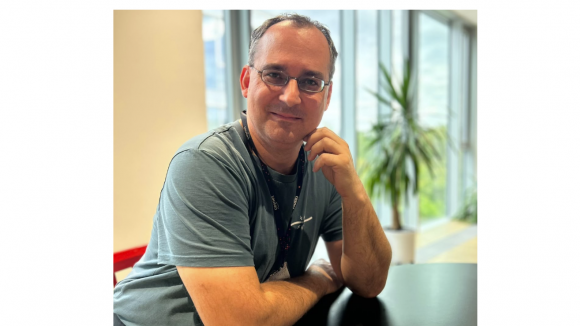
Prvního října začal Evropský měsíc kybernetické bezpečnosti. Cílem této osvětové kampaně je upozornit na hrozby v online prostředí a zvýšit povědomí o tom, jak se před nimi chránit. Praktická doporučení, jak například zabezpečit domácí router nebo rozpoznat podvodné telefonáty, představil právě v ten den ve Studiu 6 České televize náš ředitel pro kybernetickou bezpečnost Jan Kolouch. V rozhovoru upozornil například na mylnou představu, že domácí router po zapojení už žádnou další péči nepotřebuje. „Je potřeba se o domácí síť starat. V první řadě se podívat, jaká domácí zařízení ve své síti máme, koho do ní pouštíme a také v jakém stavu ta zařízení jsou,“ připomněl. Doporučil zkontrolovat aktualizace, změnit výchozí přihlašovací údaje routeru a zvolit silné heslo k Wi-Fi. Návštěvám pak můžeme nabídnout samostatnou síť pro hosty.
Útočníci ale nespoléhají jen na slabé zabezpečení techniky. Snaží se využít i naši důvěru nebo strach o někoho blízkého. Pomocí umělé inteligence dokážou napodobit například hlas dítěte, které se zdánlivě o5. October 2026
Nanoseconds, Rabbits and Fishing Rods. What Did Two Days at the CESNET Conference Bring?
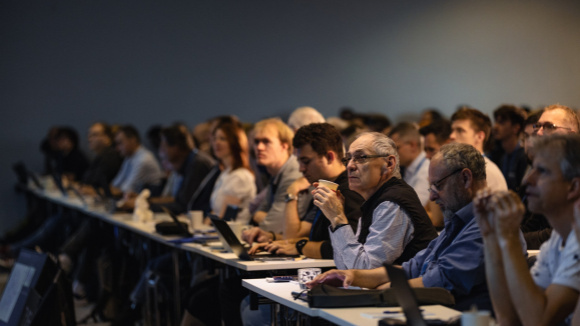
How precisely can time be synchronised between two locations hundreds of kilometres apart? What can artificial intelligence do today to defend computer networks, and where are the technologies underpinning academia heading? Held in Prague on 30 September and 1 October, the CESNET Conference showcased the latest developments in e-infrastructure through specific services, technologies and real-world experience. One of the key announcements was the launch of CESTime, CESNET’s new service for distributing precise time with nanosecond-level accuracy. The conference was opened by Jakub Pap&23. September 2026
Anyone can fall for a phishing scam. The Phishingator service from the CESNET association offers safe training
CESNET has been conducting simulated phishing tests since 2017. These initial tests gradually evolved into the Phishingator service, which today enables organizations to create their own simulated campaigns and educate users in a secure environment. We spoke with Aleš Padrta about how the service came to be, what has changed over the past nine years, why it makes sense to supplement training with hands-on experience, and why any one of us can fall victim to phishing.
15. September 2026
Jan Gruntorád Receives the 2026 Mensa Honorary Award
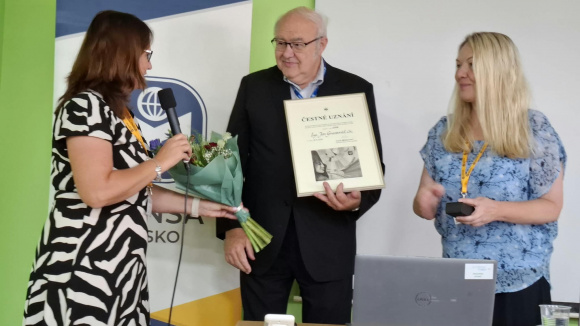
Ing. Jan Gruntorád, CSc., founder and long-standing Director of the CESNET Association, received the 2026 Mensa Honorary Award on 12 September at the Mensa Academy in Prague. Mensa Czech Republic announced his selection as this year’s laureate in June. The award is granted on the basis of a vote by Mensa members to an individual whose abilities and work make a significant contribution to society and help promote the good reputation of the Czech Republic internationally.
6. August 2026
CESNET Receives the International HR Excellence in Research Award
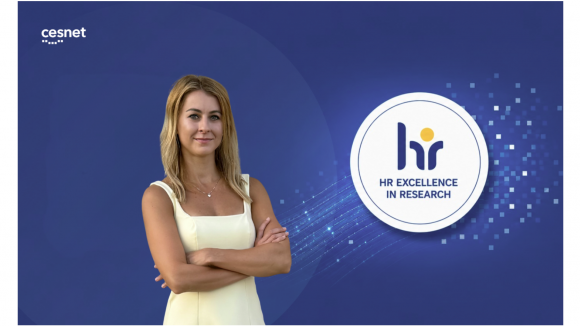
Hundreds of hours of work. A year of preparation. Another year of waiting. In July 2026, CESNET received the HR Excellence in Research Award (HR Award) for its systematic efforts to develop its working environment in line with the principles of the European Charter for Researchers. In doing so, CESNET joined more than 700 organisations that have received the award, including Charles University, Czech Technical University in Prague, Masaryk University and the Czech Academy of Sciences.
What was the most challenging part of the preparation? What does receiving the award mean for CESNET employees and the organisation as a whole? And why is this only the beginning rather than the end goal? We discussed these questions with Anna Blaháková from CESNET’s HR department.2. July 2026
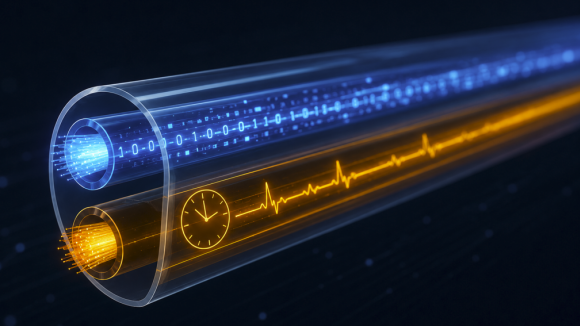
Precise Time Independent of GPS: CESNET Develops Technology for Time Distribution over Optical Networks
Although most people don’t give it much thought, precise time is a very important part of our lives. Whenever we make a phone call, use mobile internet, or rely on navigation, we’re depending on systems that are synchronized to a very precise time. Precise time synchronization is used not only in telecommunications, but also in the energy sector, the financial sector, defense, and research. In some cases, accuracy down to seconds or even milliseconds isn’t enough—precision is measured in microseconds and sometimes even nanoseconds.